
Top Signs Your Roof Needs Immediate Repair
- Nov 3, 2025
- 4 min read
A roof protects your home from weather, keeps your family safe, and preserves your property’s value. When it starts to fail, the damage can quickly spread, leading to costly repairs or even structural problems. Spotting the signs that your roof needs immediate repair can save you time, money, and stress. This guide will help you recognize the most common warning signals so you can act before small issues become big problems.
Missing or Damaged Shingles
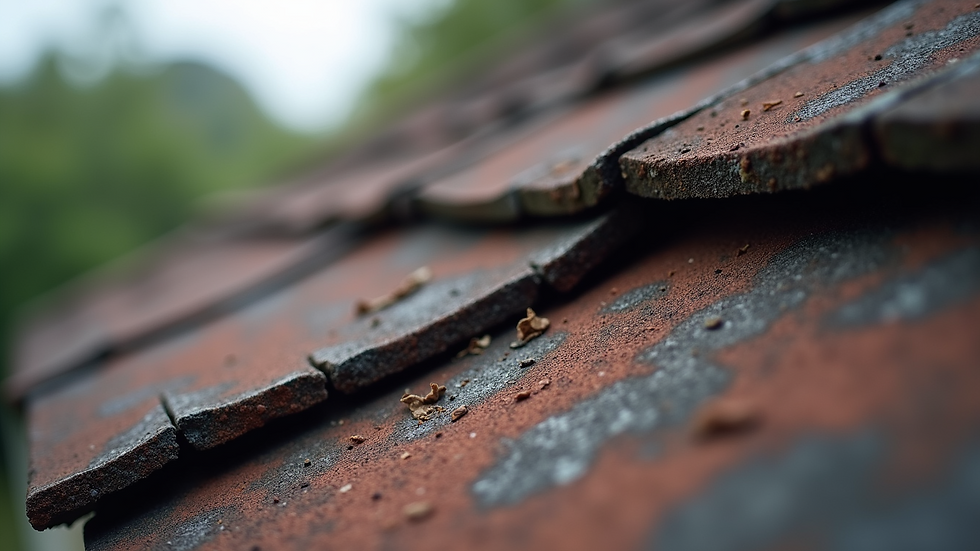
One of the clearest signs your roof needs repair is missing or damaged shingles. Shingles protect the underlying structure from rain, wind, and sun. When they crack, curl, or fall off, your roof becomes vulnerable to leaks and further damage.
Cracked shingles often result from weather exposure or aging.
Curling edges indicate the shingles are drying out and losing their flexibility.
Missing shingles leave gaps where water can enter.
If you notice any of these issues, it’s time to schedule a roof inspection. Ignoring damaged shingles can lead to water damage inside your home.
Water Stains and Leaks Inside Your Home
Water stains on ceilings or walls are a strong indication that your roof is leaking. These stains often appear as yellow or brown patches and may be accompanied by peeling paint or wallpaper.
Check your attic for signs of moisture or mold.
Look for dripping water during or after rain.
Pay attention to musty odors, which can signal hidden leaks.
Leaks can cause structural damage and promote mold growth, which affects indoor air quality. Immediate repair can prevent these problems from worsening.
Granules in Gutters or Downspouts
Roof shingles are coated with granules that protect them from UV rays and weather. Over time, these granules wear off, but excessive granule loss is a warning sign.
Find granules collecting in gutters or downspouts.
Notice bald spots on shingles where granules are missing.
Granule loss reduces the shingles’ effectiveness and shortens your roof’s lifespan. If you see many granules in your gutters, it’s time to have your roof checked.
Sagging Roof Deck
A sagging roof deck means the underlying structure is weakened, often due to water damage or poor installation. This is a serious issue that requires immediate attention.
Look for uneven or dipping areas on your roof.
Check for soft spots when walking on the roof (only if safe to do so).
Inspect the attic ceiling for sagging or bowing.
A sagging roof can collapse if not repaired quickly. It often signals extensive damage to the roof’s support system.
Damaged Flashing
Flashing is the metal strip that seals joints around chimneys, vents, and skylights. Damaged or missing flashing can cause leaks in these vulnerable areas.
Look for cracked, bent, or rusted flashing.
Check for gaps between flashing and roofing materials.
Notice water stains near chimneys or vents.
Replacing or repairing flashing is a relatively simple fix that can prevent major water damage.
Excessive Moss or Algae Growth
Moss and algae thrive in damp, shaded areas and can damage your roof over time by trapping moisture.
Spot green or black streaks on shingles.
Notice thick moss patches that lift shingles.
Check shaded areas where moisture lingers.
Removing moss and algae promptly helps protect your shingles and maintain your roof’s integrity.
Increased Energy Bills
A damaged roof can affect your home’s insulation, causing heat to escape in winter or enter in summer. If your energy bills rise without explanation, your roof might be the cause.
Inspect attic insulation for dampness or damage.
Look for gaps or holes in the roof that let air through.
Consider a professional energy audit to identify leaks.
Fixing your roof can improve energy efficiency and reduce utility costs.
Age of Your Roof
Most roofs last between 20 and 25 years, depending on materials and climate. If your roof is approaching or past this age, it’s wise to have it inspected regularly.
Asphalt shingles typically last 20-25 years.
Metal roofs can last 40-70 years but still need maintenance.
Wood shingles last about 20-30 years.
Even if your roof looks fine, age alone can cause materials to weaken and fail.
Roof Ventilation Problems
Proper ventilation prevents moisture buildup and keeps your roof cool. Poor ventilation can cause heat damage and mold growth.
Look for signs of moisture or mold in the attic.
Check for warped or cracked shingles caused by heat.
Notice ice dams forming in winter due to uneven roof temperature.
Improving ventilation can extend your roof’s life and prevent costly repairs.
Conclusion: Act Quickly to Protect Your Home
Your roof is a critical part of your home’s defense against the elements. Recognizing signs like damaged shingles, leaks, sagging, and moss growth helps you address problems early. Regular inspections and timely repairs protect your investment and keep your home safe and comfortable.
If you notice any of these warning signs, contact a trusted roofing professional to assess the damage and recommend repairs. Taking action now can save you from expensive fixes and stress later. Your roof deserves attention before small issues turn into major headaches.


Comments