
Essential Roof Maintenance Tips for Homeowners
- Nov 3, 2025
- 3 min read
A well-maintained roof protects your home from weather damage, improves energy efficiency, and extends the life of your property. Neglecting roof care can lead to costly repairs or even premature replacement. This guide offers practical tips every homeowner can use to keep their roof in top shape.

Regular Roof Inspections
Checking your roof regularly is the first step in preventing problems. Aim to inspect your roof at least twice a year, ideally in spring and fall. Look for:
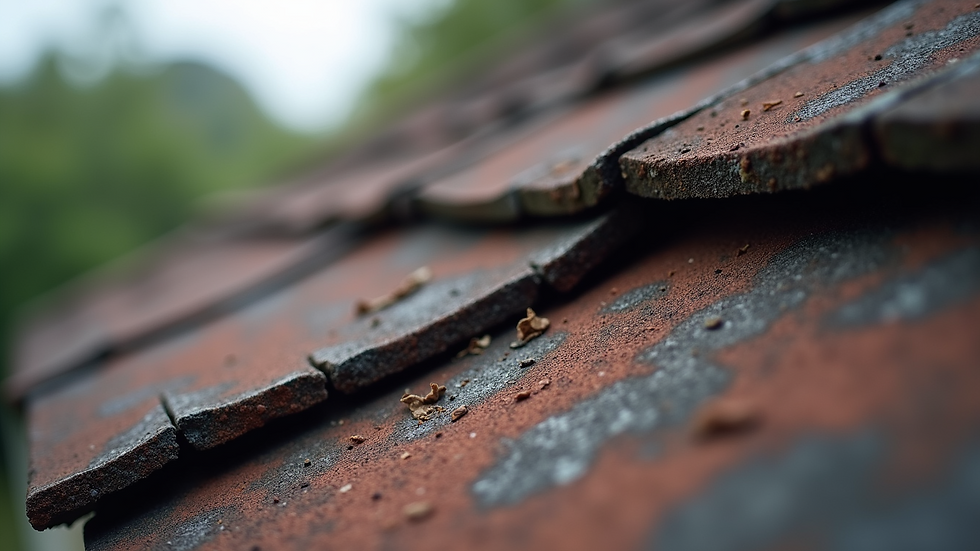
Missing, cracked, or curling shingles
Damaged flashing around chimneys, vents, and skylights
Signs of moss, algae, or mold growth
Debris buildup in gutters and downspouts
Water stains or leaks inside your attic or ceiling
Use binoculars for a safe exterior check or hire a professional for a thorough inspection. Early detection of issues can save you thousands in repairs.
Clean Gutters and Downspouts
Clogged gutters cause water to back up, which can damage your roof edges and fascia boards. Clean gutters help water flow freely away from your home, preventing leaks and foundation problems.
Remove leaves, twigs, and dirt regularly
Check for loose or damaged gutter sections
Ensure downspouts direct water at least 3 to 4 feet away from the foundation
Consider installing gutter guards to reduce debris buildup and make maintenance easier.
Trim Overhanging Branches
Tree branches touching or hanging over your roof can cause damage in several ways:
Scratching or tearing shingles during wind or storms
Dropping leaves and debris that clog gutters
Providing a pathway for pests like squirrels or rodents
Trim branches back at least 6 feet from the roof edge. This also improves sunlight exposure, which helps prevent moss and algae growth.
Remove Moss and Algae
Moss and algae thrive in damp, shaded areas and can cause shingles to deteriorate faster. They trap moisture, leading to rot and leaks.
Use a moss-killing solution specifically designed for roofs
Apply with a sprayer and let it sit before gently rinsing with water
Avoid pressure washing, which can damage shingles
Installing zinc or copper strips near the roof ridge can help prevent moss growth by releasing natural elements that inhibit it.
Repair Damaged Shingles Promptly
Damaged shingles compromise your roof’s ability to shed water. Replace missing or broken shingles as soon as you notice them to avoid leaks.
Lift the damaged shingle carefully and remove nails
Slide a new shingle into place and secure it with roofing nails
Seal edges with roofing cement to prevent wind damage
If you’re unsure about repairs, hire a licensed roofing contractor to ensure the job is done safely and correctly.
Maintain Roof Flashing
Flashing seals joints and prevents water from entering around chimneys, vents, and skylights. Damaged or loose flashing is a common source of leaks.
Inspect flashing for cracks, rust, or gaps
Reseal with roofing cement or replace if necessary
Ensure flashing is properly integrated with shingles
Proper flashing maintenance protects vulnerable roof areas and extends overall roof life.
Check Attic Ventilation and Insulation
Poor attic ventilation traps heat and moisture, which can damage roofing materials and increase energy costs. Proper insulation keeps your home comfortable and protects the roof structure.
Ensure vents are clear and unobstructed
Add insulation to prevent heat loss in winter and heat buildup in summer
Use a vapor barrier to reduce moisture accumulation
Good attic care supports roof durability and improves home energy efficiency.
Schedule Professional Roof Maintenance
Even with regular DIY checks, professional roof maintenance offers a deeper level of care. Roofers can spot hidden problems and perform repairs safely.
Get a professional inspection every 3 to 5 years
Ask about maintenance plans that include cleaning, repairs, and inspections
Choose licensed and insured contractors with good reviews
Professional help ensures your roof stays strong and protects your home for years to come.
Prepare Your Roof for Severe Weather
Storms, heavy rain, snow, and wind can cause serious roof damage. Preparing your roof ahead of bad weather reduces risks.
Secure loose shingles and flashing
Clear gutters and downspouts to prevent ice dams and water backup
Remove weak or dead tree branches near the roof
Consider impact-resistant roofing materials if you live in a high-risk area
Taking these steps helps your roof withstand harsh conditions and avoids emergency repairs.
Keep Records of Roof Maintenance and Repairs
Documenting your roof’s maintenance history helps track its condition and supports warranty claims.
Save receipts and photos of inspections, repairs, and upgrades
Note dates and details of any work done
Share records with new homeowners if you sell your house
Good records make it easier to plan future maintenance and prove your roof’s care.
Taking care of your roof protects your home’s value and keeps your family safe. Regular inspections, cleaning, timely repairs, and professional help all contribute to a long-lasting roof. Start with a simple inspection today and make roof maintenance part of your home care routine. Your roof will thank you with years of reliable protection.

Comments